
Phu Quoc, Vietnam’s largest island, is renowned for its pristine beaches and lush jungles, but its true magic lies beneath the surface of the Gulf of Thailand. The island is surrounded by a vibrant and diverse marine ecosystem, making it a paradise for snorkeling and diving enthusiasts. From colorful coral reefs teeming with life to mysterious shipwrecks, Phu Quoc offers an underwater adventure for all levels, from curious beginners to experienced divers.
This comprehensive guide will take you through the best snorkeling and diving hotspots around Phu Quoc, detailing what you can expect to see, the best times to visit, and how to plan your aquatic adventure.
🐠 1. The An Thoi Archipelago: The Jewel of Phu Quoc’s Reefs
The An Thoi Archipelago, a cluster of 21 small islands at the southern tip of Phu Quoc, is home to the island’s most spectacular and accessible coral reefs. This is the primary destination for most snorkeling and diving tours, offering a kaleidoscope of marine life in crystal-clear waters.
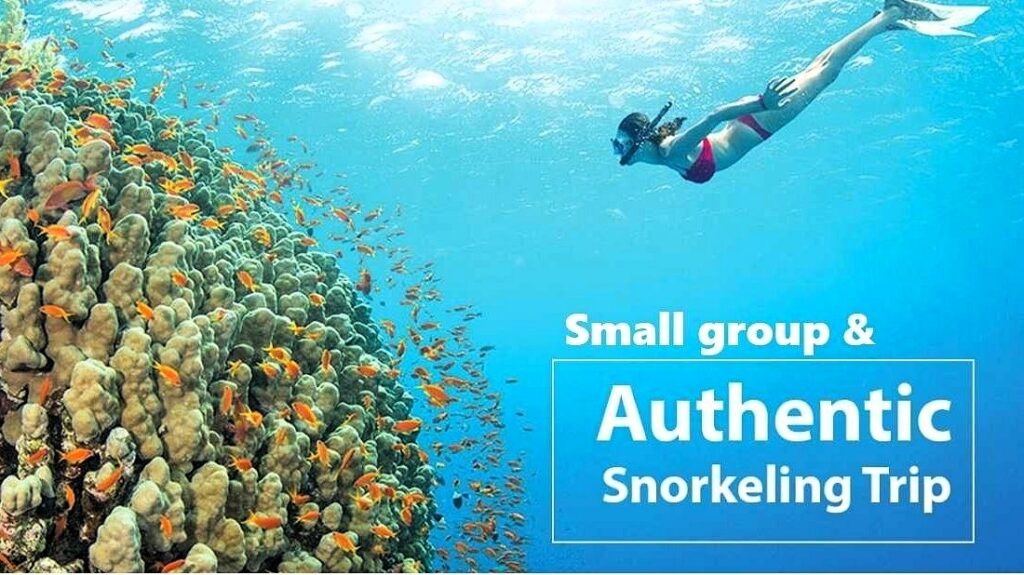
- For Snorkelers: On a typical island-hopping tour, Hon May Rut is often the designated snorkeling stop. The water is shallow and calm, with excellent visibility. You’ll be surrounded by vibrant coral gardens and a dizzying array of fish, including parrotfish, angelfish, butterflyfish, and schools of tiny, iridescent damselfish. The experience is often enhanced by a floating bar, where you can enjoy a drink while floating above the reef.
- For Divers: For a more immersive experience, scuba diving tours depart from the An Thoi pier. Dive sites here feature canyons, walls, and coral-covered pinnacles. You can expect to see larger marine life such as moray eels, stingrays, and even reef sharks. The depth is generally moderate, making it suitable for Open Water divers.
Why it’s a must-visit: This is the most popular and reliable spot for underwater exploration, offering a high chance of a memorable encounter with marine life.
🐙 2. Hon Thom (Sao Beach): A Shallow Water Wonderland
While Hon Thom is famous for its stunning beach, its surrounding waters are equally captivating. The island is a great spot for beginner-friendly snorkeling due to its protected, shallow lagoon.
- The Experience: The coral here is less dense than in the An Thoi islands but is still healthy and colorful. The main attraction for many is the “Starfish Beach” on the island’s eastern side. At low tide, the shallow, sandy seabed is often carpeted with hundreds of small, bright orange starfish. Wading through the water to see them is a magical experience, especially for children. You might also spot sea cucumbers and small crabs scuttling among the rocks.
- Best Time to Visit: Low tide is essential for the starfish experience. Check the tide schedule before your trip.
🚢 3. The Wreck of the “Phu Quoc Express”: An Artificial Reef
For a more adventurous dive, head to the wreck of the “Phu Quoc Express,” a ferry that sank in 2009. Now lying at a depth of about 20-25 meters, the wreck has become a thriving artificial reef and is a favorite among experienced divers.
- The Experience: The dive begins on the sandy bottom, where you’ll see the outline of the large vessel. As you approach, the wreck comes into view, covered in soft corals and sponges. Schools of fish, including snapper and barracuda, congregate around the structure. You can explore the exterior and, with proper training, venture into some of the more accessible areas of the wreck. It’s a hauntingly beautiful and historically significant dive site.
- Dive Level: This is an Advanced Open Water dive due to the depth and potential for stronger currents. It’s not suitable for snorkelers.
🛶 4. The Coral Gardens of Ong Lang & Cua Can: A Hidden Gem
For a quieter, less crowded experience, consider snorkeling in the waters off Ong Lang Beach or Cua Can Beach on the northwest coast. These areas are known for their healthy hard coral formations.
- The Experience: The coral here grows in patches along the rocky shoreline and in deeper water. You’ll need to swim a bit further from the beach to reach the best spots, but the effort is rewarded with vibrant corals and a good variety of fish. The water is generally calm, and the beaches are less developed, offering a more natural and serene environment.
- How to Access: The best way to explore these reefs is by joining a small-group snorkeling tour or renting a kayak. Kayaking allows you to paddle to specific spots and explore at your own pace.
🌊 5. The Sea Grass Beds & Mangrove Edges: A Different Ecosystem
While coral reefs are the main attraction, Phu Quoc’s underwater world also includes sea grass beds and mangrove forests. These ecosystems are vital nurseries for many marine species and offer a unique snorkeling experience.
- The Experience: Snorkeling in these areas is about observing the smaller, often overlooked creatures. Look for seahorses, juvenile fish, crabs, and rays that glide over the sandy bottom. The mangrove roots are home to a variety of invertebrates and provide shelter for young fish.
- Best Spots: These habitats are often found in calmer, more protected bays. Some island-hopping tours include a stop at a mangrove area, or you can explore them by kayak from the northern parts of the island.
🐢 How to Plan Your Snorkeling & Diving Adventure
- When to Go: The best time for clear water and calm seas is during the dry season (November to March). Visibility is at its peak, and the risk of rain is low.
- What to Bring: A snorkel, mask, and fins if you have your own (many tours provide them). A reef-safe sunscreen is essential to protect the fragile coral. A rash guard or wetsuit top can protect you from the sun and minor scrapes.
- Choosing a Tour: Look for operators with a strong reputation for safety and environmental responsibility. Ask about the size of the boat and the number of guests to ensure a comfortable experience. For diving, ensure the operator is PADI or SSI certified.
- Respect the Environment: Never touch or stand on the coral, as it is incredibly fragile. Avoid chasing or feeding the fish. Take all your trash with you.
Phu Quoc’s underwater world is a hidden treasure. By exploring these hotspots responsibly, you can witness a breathtaking display of marine life and create memories that will last a lifetime.